Lorem ispum dolor sit amet
Aliquip velit do aliquip cillum proident laboris et cupidatat in ad laborum magna veniam.


Introduction
The introduction of the Carbon Border Adjustment Mechanism (CBAM) by the European Union is a significant step in the global fight against climate change. CBAM aims to regulate CO2 emissions in the manufacturing of imported goods, thereby fostering fair competition between EU companies and international producers. This blog post provides an in-depth look at how CBAM works, its impact, and the challenges it poses, particularly for companies in relevant industries such as aluminum, steel, cement, fertilizers, hydrogen, and electricity.
What is CBAM?
CBAM is an EU regulatory measure designed to regulate CO2 emissions from imported products and thus combat climate change. Starting January 1, 2026, importers of certain goods such as steel, aluminum, and cement must purchase CBAM certificates that reflect the CO2 emissions of these products.
How does CBAM work?
Transitional Phase (2023-2025)
During the transitional phase, which runs from October 1, 2023, to the end of 2025, importers must comply with CBAM reporting obligations. There are no financial adjustments during this phase, meaning no carbon tax. However, importers must register as authorized CBAM declarants and submit quarterly reports on imported goods and their emissions.
Full Implementation (from 2026)
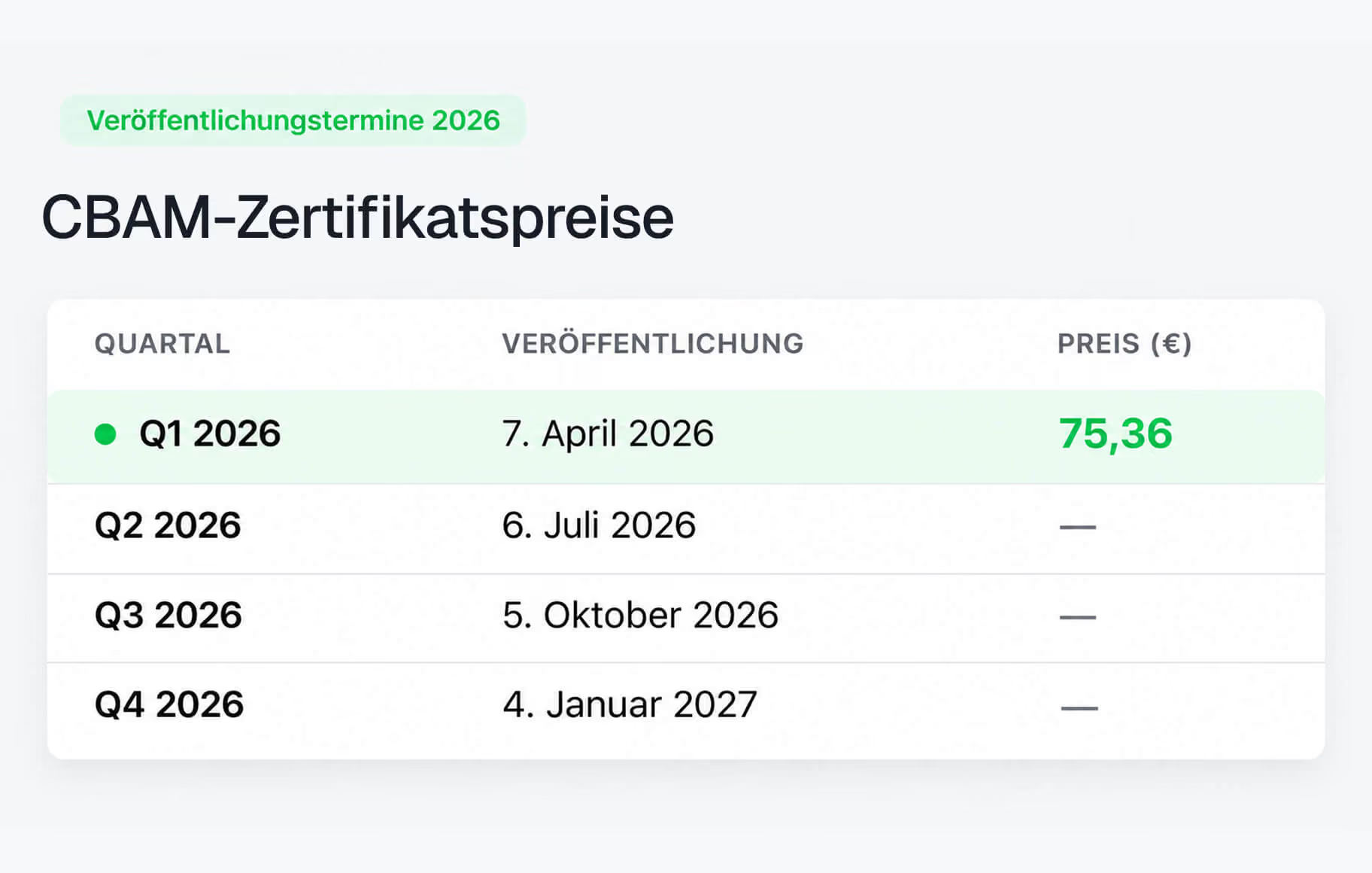
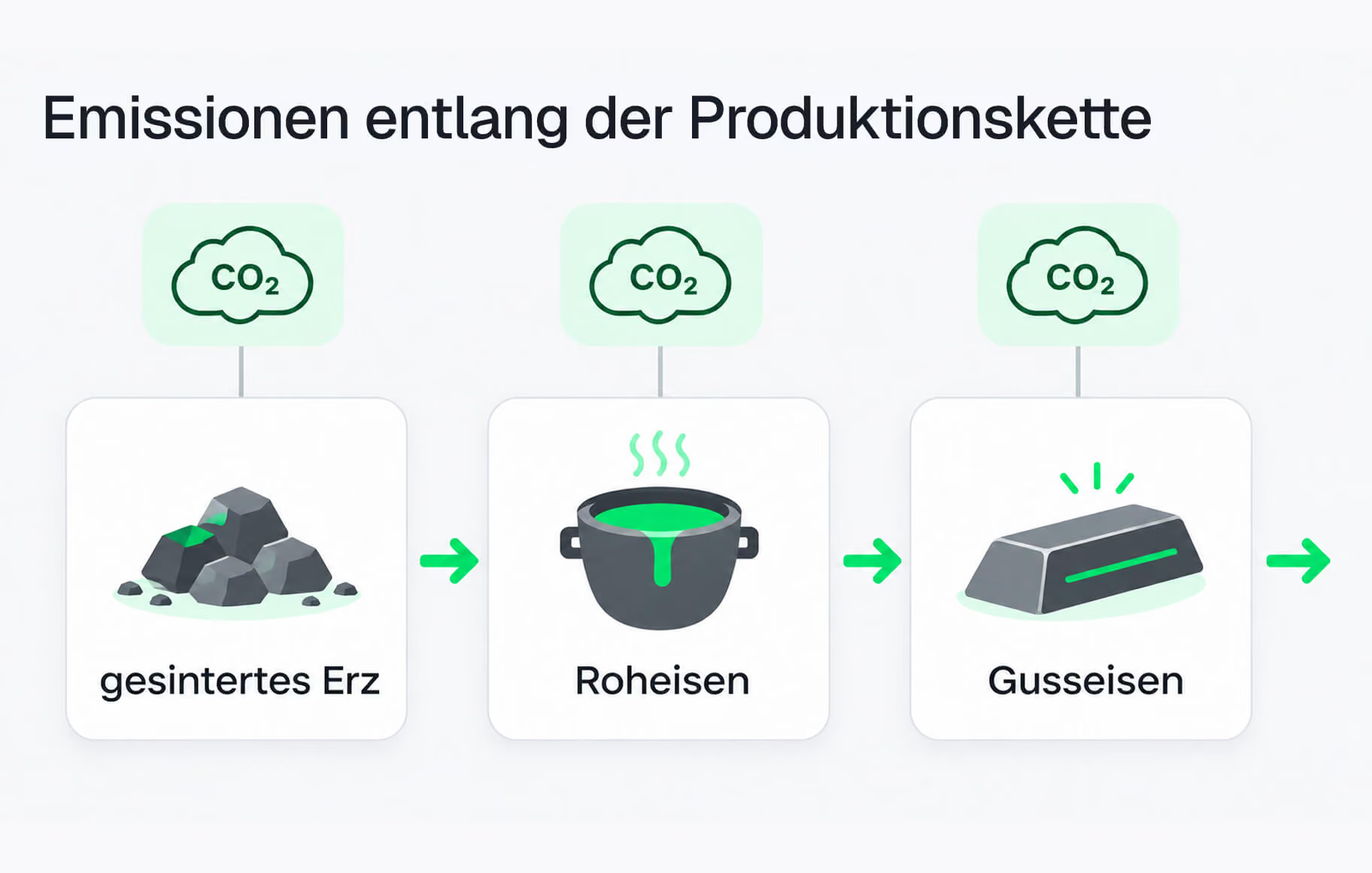
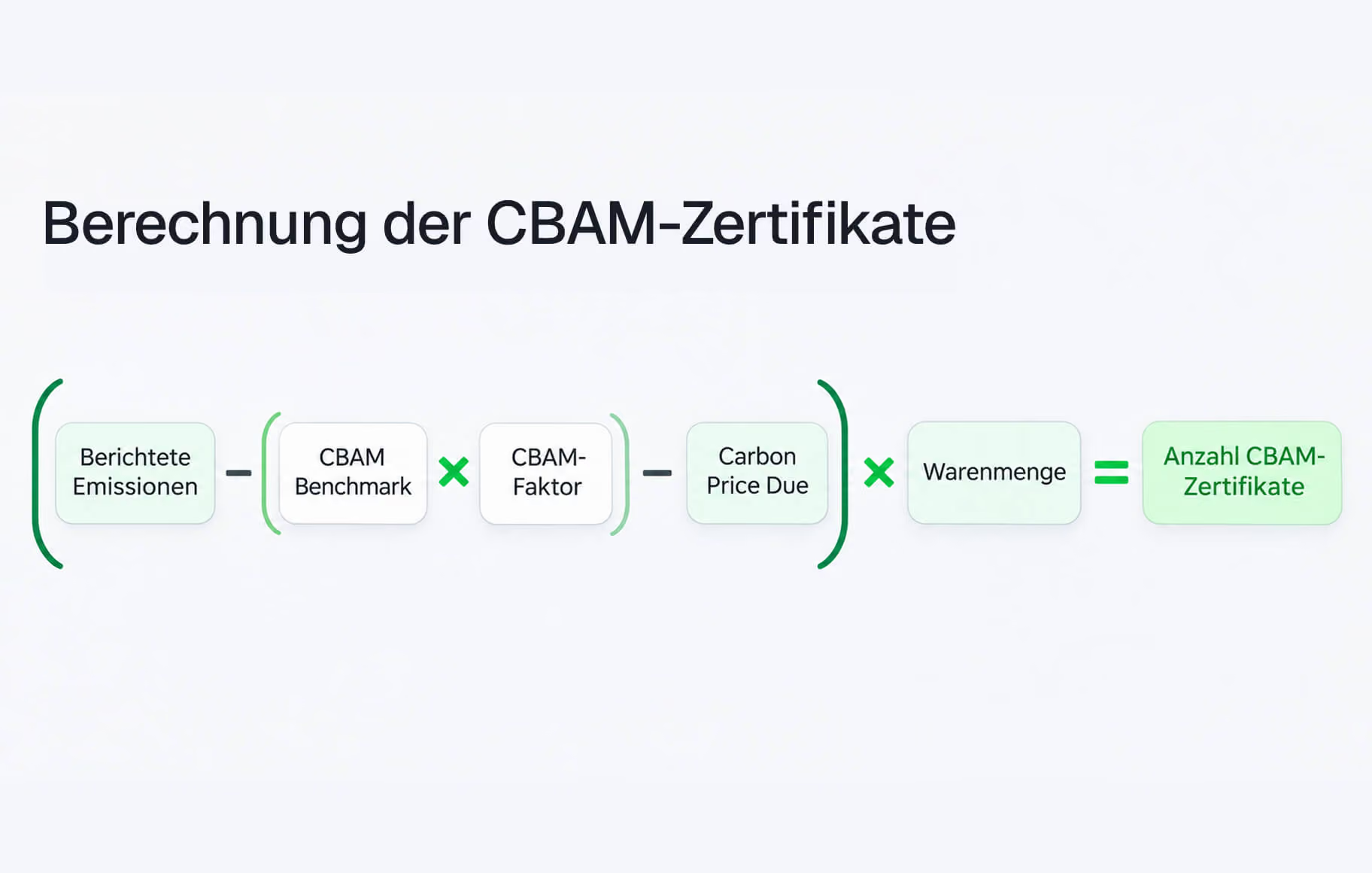
From 2026, importers must purchase a CBAM certificate for every ton of direct greenhouse gas emissions generated during the production of the goods. The price of these certificates is based on the average price of EU Emissions Trading System allowances from the previous week. It is important to note that CBAM only applies to the portion of emissions that does not benefit from free EU ETS allocations.
The importance of CBAM for industry
Level playing field
CBAM is intended to create a level playing field for EU companies and international competitors. Importers must meet the same environmental standards as European producers, leading to fairer pricing and an incentive for more sustainable production methods.
Challenges
Companies in the affected sectors face the challenge of adapting their supply chains and production processes to comply with CBAM regulations. This can entail additional costs and logistical challenges, especially for smaller businesses.
Conclusion
CBAM is an ambitious instrument that not only combats climate change but could also significantly reshape the international trade landscape. Companies operating in the relevant sectors should prepare for CBAM requirements early and adapt their business models accordingly.
About author
Maximilian Jung
Geschäftsführer
Maximilian Jung ist Geschäftsführer und Mitgründer der CBAM-Estimator GmbH. Nach seinem Studium der Volkswirtschaftslehre an der Goethe-Universität Frankfurt gründete Maximilian Jung die CBAM-Estimator GmbH, um Unternehmen dabei zu unterstützen, ihre CBAM-Verpflichtungen durch individuelle Softwarelösungen schnell und einfach zu erfüllen.