Lorem ispum dolor sit amet
Aliquip velit do aliquip cillum proident laboris et cupidatat in ad laborum magna veniam.



Introduction
In April 2023, the EU Council adopted five fundamental legislative acts on climate protection. These acts are crucial to the EU's "Fit for 55" strategy, which aims to reduce greenhouse gas emissions by 55% compared to 1990 levels by 2030.
Overview of the legislative acts
- Revision of the ETS Directive: This amendment aims to increase the efficiency of the EU Emissions Trading System (ETS).
- Amendment of the MRV Regulation for maritime transport: This amendment extends carbon emission pricing to the shipping sector.
- Revision of the ETS Aviation Directive: This extends the ETS to the aviation sector.
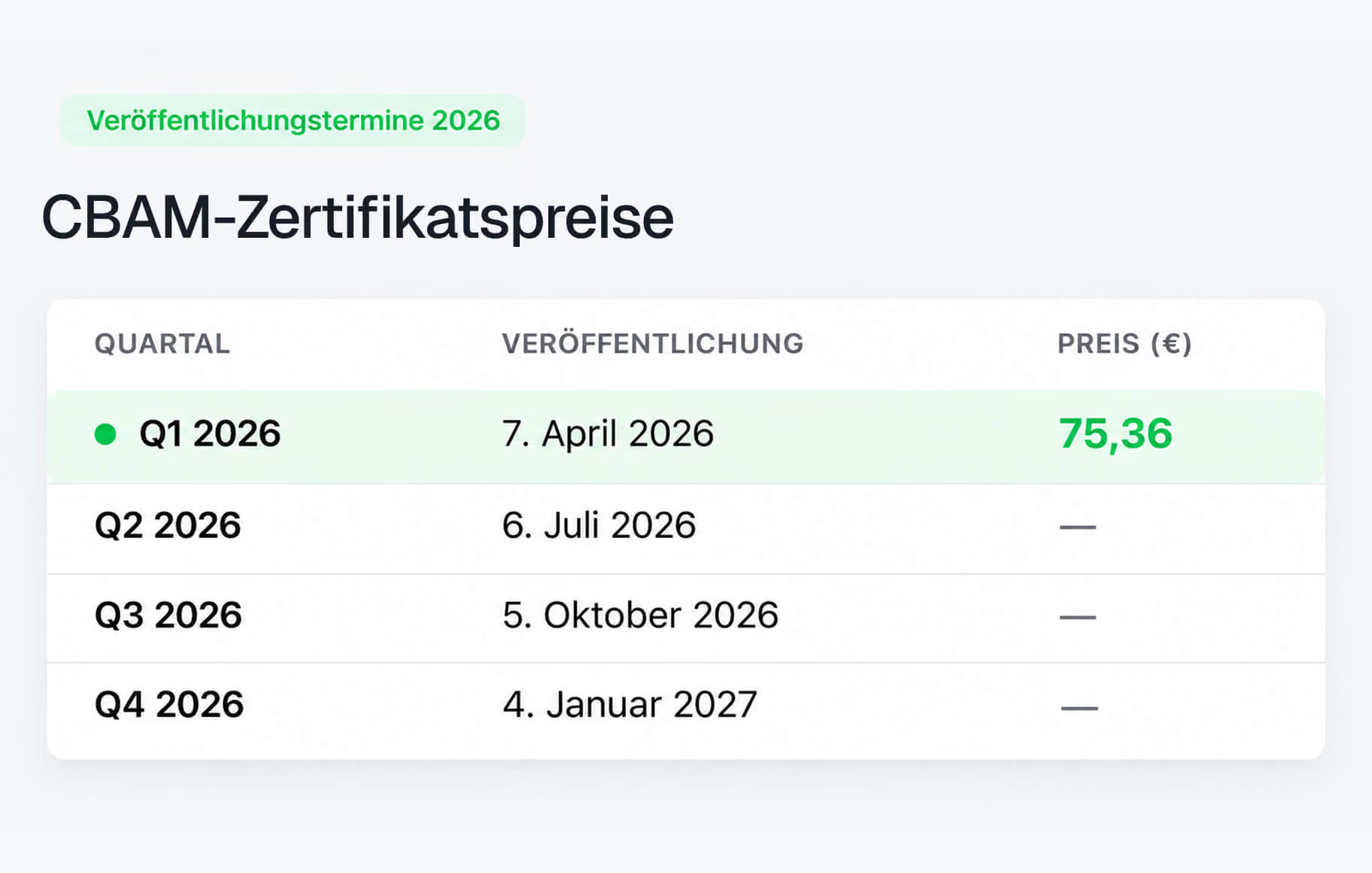
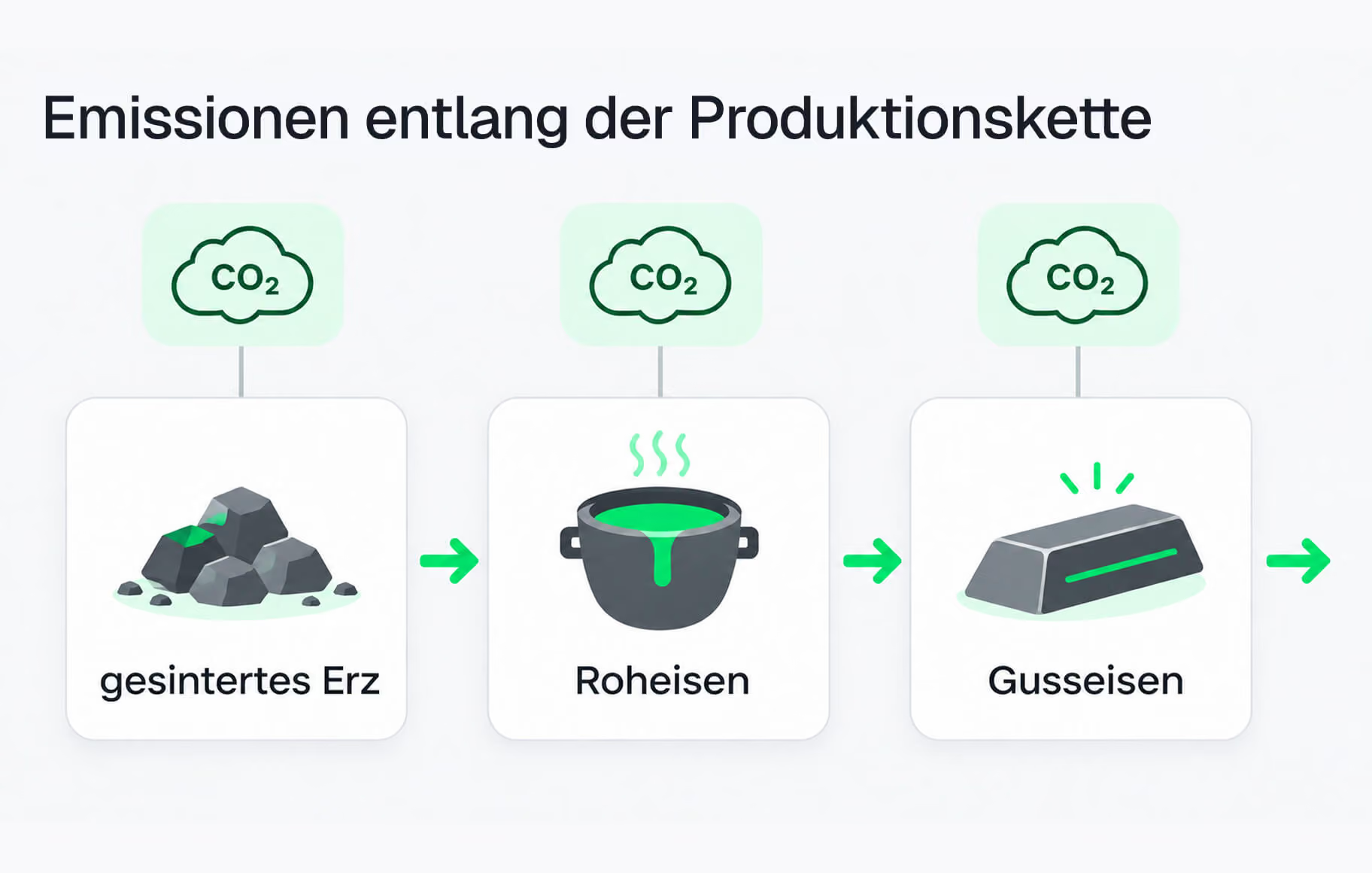
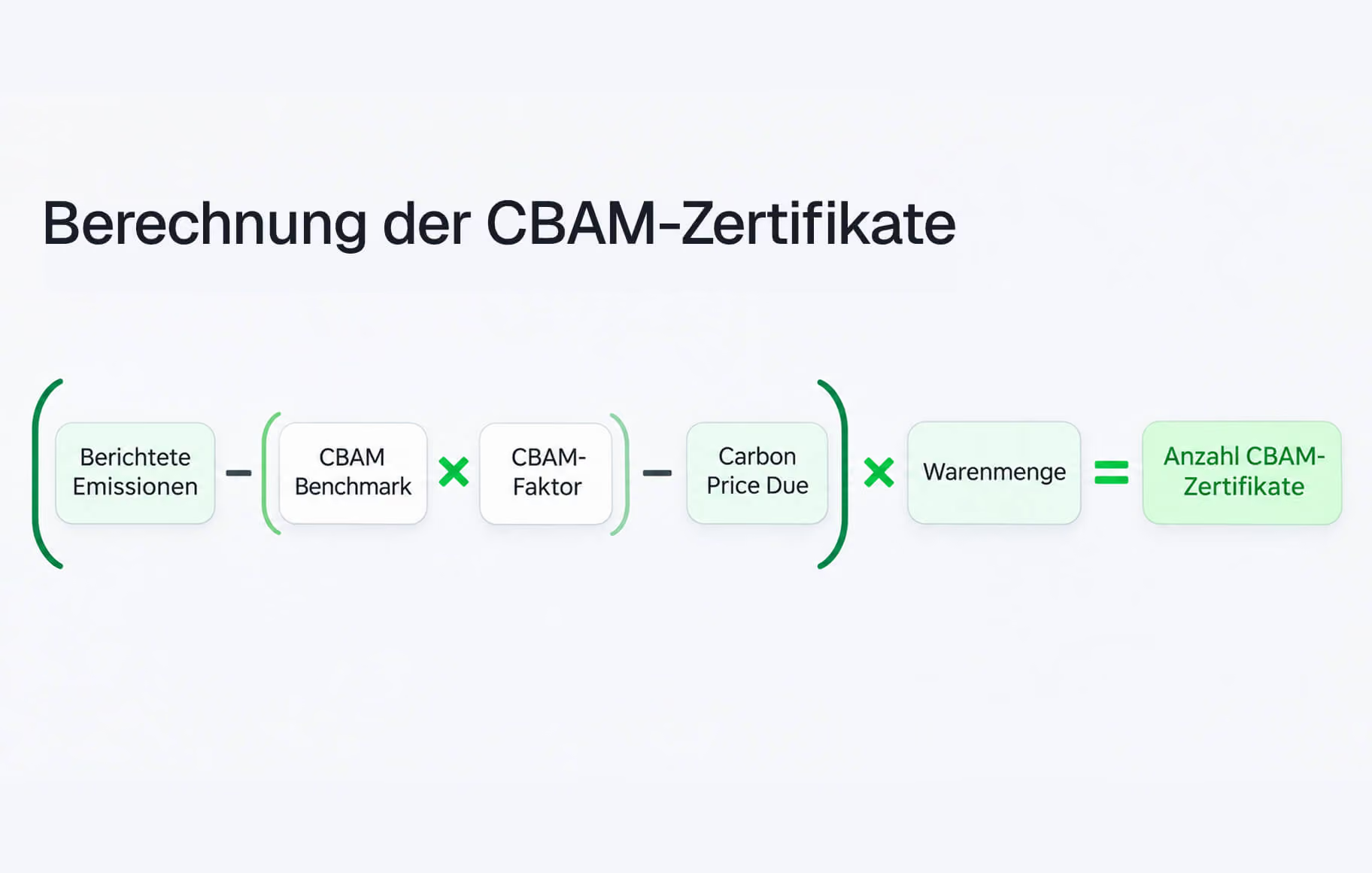
- Introduction of a Carbon Border Adjustment Mechanism (CBAM): This system levies a charge on CO2 emissions from imported goods such as steel, cement, and aluminum.
- Establishment of a Social Climate Fund: The fund is intended to provide financial support to households and small businesses affected by carbon pricing.
Impact on businesses
These new legislative acts have far-reaching consequences for companies across various sectors:
- Metal processing industry and trade: Companies importing iron, steel, aluminum, cement, fertilizers, electricity, and hydrogen are particularly affected. CBAM requires them to purchase certificates for CO2 emissions.
- Energy-intensive industry: ETS-I continues to cover energy-intensive industrial sectors. These facilities must pay for their emissions, which encourages them to reduce their carbon footprint.
- Aviation: Aviation is already part of the ETS. However, regulations are now being tightened and expanded, requiring airlines to purchase more certificates for their emissions.
- Maritime transport: Starting in 2024, maritime transport will be included in the ETS, requiring shipping companies to pay for their emissions.
- Road transport and buildings: A new ETS system (ETS-II) is being introduced to price CO2 emissions in these sectors. This primarily affects fuel suppliers and distributors.
Support for affected households and businesses
The Social Climate Fund is designed to support disadvantaged households and small businesses affected by the new carbon pricing. The fund will promote measures such as building renovations and the decarbonization of heating and cooling systems.
Conclusion
The EU's new climate legislative acts mark a significant step toward a more climate-friendly Europe. While they bring substantial changes for businesses and consumers, they aim to make the EU climate-neutral by 2050, thereby making a vital contribution to global climate protection.
About author
Maximilian Jung
Geschäftsführer
Maximilian Jung ist Geschäftsführer und Mitgründer der CBAM-Estimator GmbH. Nach seinem Studium der Volkswirtschaftslehre an der Goethe-Universität Frankfurt gründete Maximilian Jung die CBAM-Estimator GmbH, um Unternehmen dabei zu unterstützen, ihre CBAM-Verpflichtungen durch individuelle Softwarelösungen schnell und einfach zu erfüllen.