Lorem ispum dolor sit amet
Aliquip velit do aliquip cillum proident laboris et cupidatat in ad laborum magna veniam.



Understanding CBAM: A Crucial Step in EU Climate Policy
The concept of the Carbon Border Adjustment Mechanism (CBAM) marks a significant development in European climate policy. Created as a strategic response to the problem of carbon leakage, CBAM aims to prevent the relocation of production facilities to countries with less stringent environmental regulations. This relocation can lead to an increase in global greenhouse gas emissions and poses a challenge for EU industries that must adhere to strict climate requirements.
The Role of National Authorities in CBAM Implementation
National CBAM authorities in European Union member states play a critical role in the implementation and enforcement of the Carbon Border Adjustment Mechanism (CBAM). These authorities are responsible for a range of tasks derived from the EU's CBAM regulation.
During the transitional phase, which runs from October 1, 2023, to December 31, 2025, the focus is on reporting obligations. Importers bringing products from third countries that fall under the scope of the CBAM regulation must prepare a CBAM report. This report must include specific information, such as the total quantity of each type of good, the actual total embedded emissions in tonnes per tonne of each type of good, total indirect emissions, and any carbon price already paid in the country of origin for the imported goods.
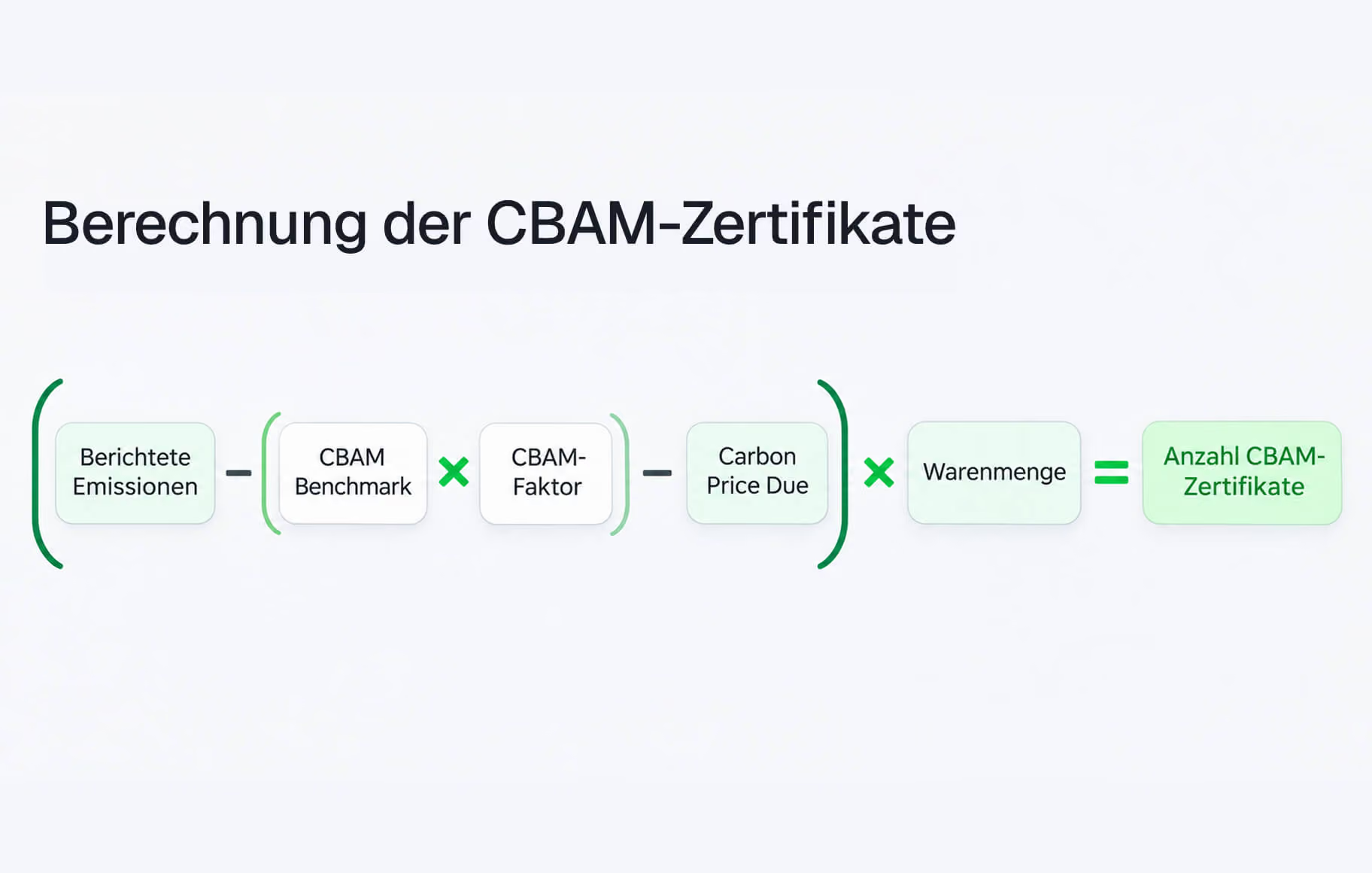
From January 1, 2026, when CBAM enters fully into force, importers must be registered as authorized CBAM declarants and purchase CBAM certificates. These certificates cover at least 80 percent of the emissions from the imports made. An annual settlement is conducted via the CBAM declaration, which, in addition to the total quantity of imports and emissions, includes the total number of corresponding CBAM certificates as well as verification reports from accredited verifiers.
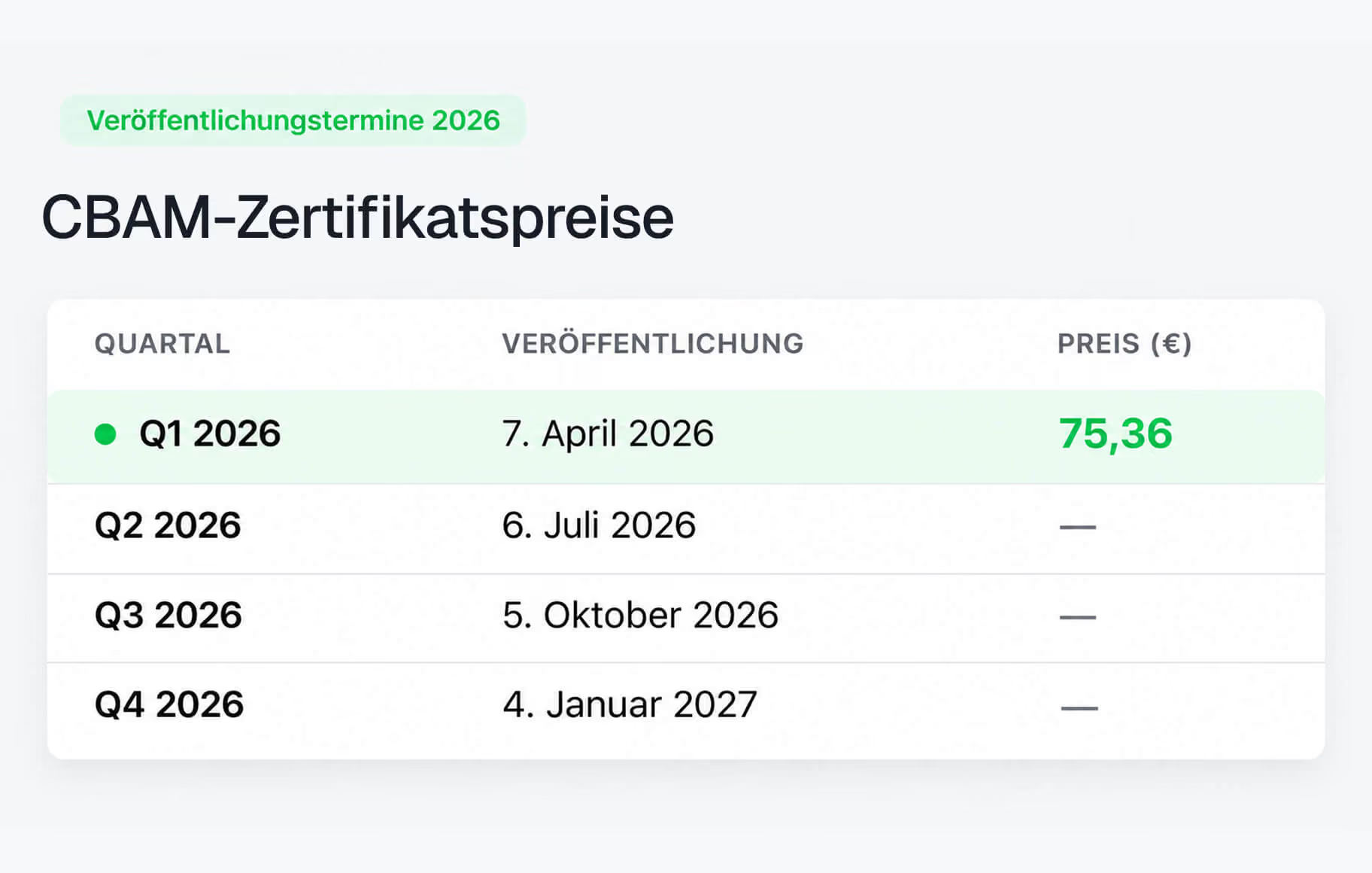
The price of CBAM certificates is linked to the EU Emissions Trading System (EU ETS). Through the EU ETS, the EU already prices CO2 emissions for companies within the EU. CBAM certificates correspond to the average of the closing prices of EU ETS allowances on the auction platform for each calendar week.
In addition to these tasks, national CBAM authorities provide a CBAM helpdesk as a central point of contact for all questions regarding CBAM, particularly during the transitional phase. They initiate correction procedures if the European Commission determines that a CBAM report is incomplete or incorrect, and they can impose sanctions if necessary. The competent authority also reviews applications for authorization submitted via the online platform and plays a central role in managing these reviews.
The DEHSt as the Driving Force of CBAM Implementation in Germany
The German Emissions Trading Authority (DEHSt) plays a central role in the implementation of the Carbon Border Adjustment Mechanism (CBAM) in Germany. As the competent national authority for the EU's new climate protection instrument, the DEHSt is taking on an important new task that complements the EU Emissions Trading System and combines protection against carbon leakage with effective carbon pricing.
The DEHSt is already responsible for implementing the European Emissions Trading System (EU ETS) for energy generation and energy-intensive industrial plants, and it holds responsibility for the national emissions trading system (nEHS) for fuels in the transport and building sectors. With the assumption of CBAM responsibilities, the implementation of all essential carbon pricing instruments in Germany is now in the hands of the DEHSt.
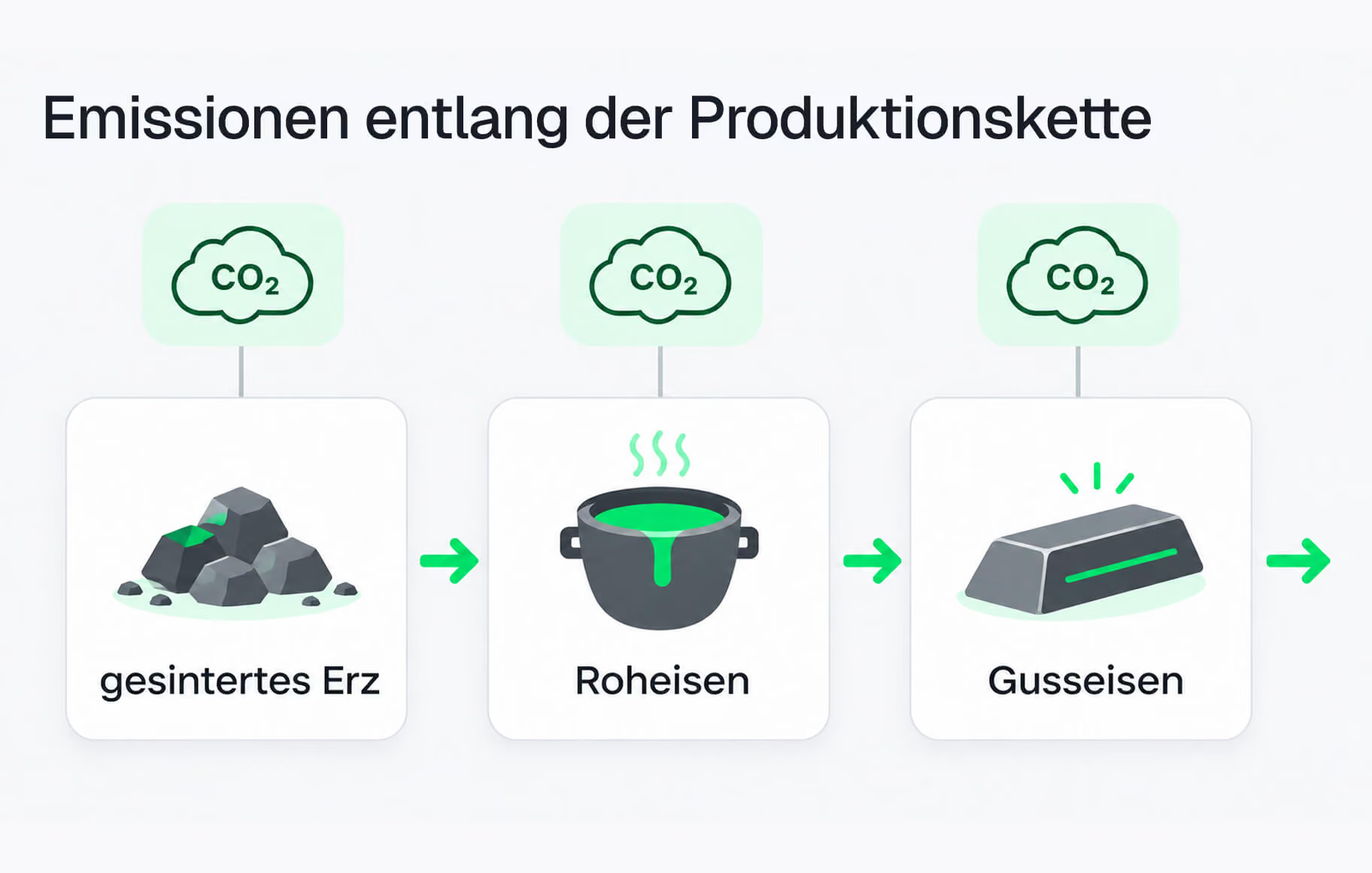
CBAM, which is part of the European "Fit for 55" package, aims to require companies that import emission-intensive goods into the EU to purchase CBAM emission certificates. These certificates are intended to offset the difference between the carbon price paid in the country of origin and the higher price of allowances in the EU Emissions Trading System. This affects a wide range of industrial and commercial companies and includes products such as electricity, cement, iron and steel, aluminum, fertilizers, and hydrogen, whose manufacturing processes are particularly carbon-intensive.
With the introduction of CBAM from 2026 and the start of the transitional phase in October 2023, extensive reporting obligations apply to importing companies. The DEHSt plays a crucial role in supporting and monitoring these reporting obligations, ensuring that the same carbon price applies to both imported and EU-produced goods. This serves to protect against competitive disadvantages and carbon leakage.
CBAM Transitional Phase: Responsibilities of National CBAM Authorities
The CBAM transitional phase, which lasts until the end of 2025, represents a critical period for companies to prepare and adapt to the new system. During this time, national CBAM authorities are entrusted with specific tasks defined in accordance with the implementing regulation for the fulfillment of reporting obligations during the transitional period:
Article 21: Authorization of reporting declarants in the CBAM transitional registry
National authorities are responsible for authorizing reporting declarants and granting them access to the CBAM transitional registry. This authorization is an essential step in enabling companies to familiarize themselves with the new reporting system and to record their data accordingly.
Article 9: Review of applications for amendments to CBAM reports
Authorities review applications for amendments to CBAM reports that are submitted after the established deadlines. This ensures that all relevant information is updated accurately and in a timely manner.
Article 14: Review of the EU Commission's screening
Following an initial screening of the reports by the EU Commission, national authorities take over the further review process. They initiate a correction procedure for incomplete, inaccurate, or missing CBAM reports. This review plays a crucial role in ensuring that the reported data accurately reflects actual emissions.
Article 16: Measures against CBAM reporting deficiencies through the imposition of penalties
Should the measures taken to correct a CBAM report prove insufficient, national authorities have the authority to determine and enforce penalties. These penalties are essential to ensure compliance with reporting obligations and to safeguard the integrity of the CBAM system.
The transitional phase thus offers an important opportunity for companies to prepare for the definitive phase of CBAM, while national authorities play a central role in monitoring and supporting this process.
Definitive period of CBAM: Tasks of national authorities in the critical CBAM phase
From 2026, the start of the definitive CBAM period, national CBAM authorities will assume a range of key tasks that are crucial for the effective implementation and enforcement of the mechanism. These tasks are set out in the overarching regulation on the introduction of CBAM and essentially include the following points:
Article 17: Examination and authorization of companies as CBAM declarants
National authorities are responsible for reviewing applications from companies seeking authorization as CBAM declarants. This examination is crucial to ensure that only suitable and compliant companies can act as declarants for CBAM.
Article 5: Registration of authorized CBAM declarants in the CBAM registry
Following the successful examination and authorization of declarants, they are registered in the CBAM registry. This registry is an essential tool for ensuring the transparency and traceability of declarants and their activities.
Article 19: Review of CBAM declarations and determination of CBAM certificates to be surrendered
National authorities review the CBAM declarations submitted by declarants and, on this basis, determine the number of CBAM certificates to be surrendered. This review ensures that emissions are reported correctly and that the appropriate number of certificates is surrendered.
Article 22: Duty to inform in the event of missing CBAM certificates
Should a declarant's available CBAM certificates be insufficient to cover their emission obligations, national authorities must inform the declarant accordingly. This notification is important to give companies the opportunity to adjust their emissions balance and acquire additional certificates.
Article 26: Penalties in response to violations of the CBAM regulation
In the event of violations of CBAM regulations, national authorities have the power to impose and enforce penalties. These penalties are an essential tool for ensuring compliance with CBAM rules and maintaining the credibility of the system.
The precise regulations and procedures for these tasks are described in detail in the associated implementing regulations and form the framework for the work of national CBAM authorities during the definitive period.
Penalties by national CBAM authorities
The determination and enforcement of penalties by national CBAM authorities is an essential component of the CBAM implementing regulation, particularly during the transitional phase until the end of 2025. In accordance with Article 16 of the CBAM implementing regulation, the following penalties are provided for:
Penalties for failure to comply with reporting obligations:
National CBAM authorities may impose penalties ranging from 10 to 50 euros per tonne of unreported emissions. This applies in particular to cases where:
- The reporting declarant fails to take the necessary steps to submit a CBAM report.
- The CBAM report is incomplete or inaccurate and the declarant fails to correct it even after being requested to do so by the competent authority.
Higher penalties for repeated violations:
Penalties exceeding 50 euros per tonne of unreported emissions may be considered if:
- Incomplete or inaccurate reports have been submitted more than twice in succession.
- The submission of the report has been delayed by more than six months.
Discretion regarding the level of sanctions:
When determining the level of the penalty, certain circumstances within the discretion of the competent CBAM authority must be taken into account. These include the scope of the unreported information, the quantities of unreported goods and the associated unreported emissions, whether the reporting declarant acted intentionally or negligently, and the degree of cooperation shown by the reporting declarant.
The transposition of Article 16 of the CBAM Implementing Regulation into national law is still pending and will be closely monitored in the practice of national authorities when imposing sanctions.
CBAM registry access: An important step for declarants
One of the main tasks of national authorities under CBAM is to grant access to the CBAM transitional registry for reporting declarants. This is particularly relevant in Germany, as the administration of access rights lies with the national CBAM authorities.
The CBAM transitional registry, an electronic database of the European Commission, is used for reporting during the transitional period. CBAM reports are submitted via the CBAM portal for traders, which is part of the transitional registry. All companies importing goods from third countries into the customs territory of the European Union that fall under Annex I of the CBAM Regulation (EU) 2023/956 are required to participate in CBAM. Imports from countries that participate in or are linked to the EU Emissions Trading System (ETS) are exempt from the application of CBAM.
A user manual is available for using the CBAM portal, providing detailed instructions on how to create, edit, and submit reports. It also contains information on how to prepare data as an XML structure and import it into the CBAM portal, which automatically generates a report.
During the transitional period, CBAM reports must be submitted on a quarterly basis. These reports include, among other things, the total quantity of each type of imported good, the direct and indirect emissions generated during the production of each type of good, and the carbon price paid in the country of origin.
The National Service Desk of the DEHSt, which is responsible for handling individual inquiries regarding the CBAM transitional registry, is still being set up. The DEHSt recommends subscribing to the CBAM newsletter to receive the latest information.
Future prospects and potential expansions
The future of CBAM could include further expansions of its scope to cover a wider range of industries and products. These expansions would further influence global climate policy and could lead to a significant reduction in greenhouse gas emissions.
Conclusion
National CBAM authorities play a crucial role in the implementation and enforcement of CBAM. Their tasks are complex and diverse, ranging from granting access to the CBAM registry to monitoring compliance and imposing sanctions. CBAM stands as a central instrument for the EU to achieve its climate goals and promote fair international trade.
About author
Maximilian Jung
Geschäftsführer
Maximilian Jung ist Geschäftsführer und Mitgründer der CBAM-Estimator GmbH. Nach seinem Studium der Volkswirtschaftslehre an der Goethe-Universität Frankfurt gründete Maximilian Jung die CBAM-Estimator GmbH, um Unternehmen dabei zu unterstützen, ihre CBAM-Verpflichtungen durch individuelle Softwarelösungen schnell und einfach zu erfüllen.