Lorem ispum dolor sit amet
Aliquip velit do aliquip cillum proident laboris et cupidatat in ad laborum magna veniam.


Introduction
In an ambitious move to combat climate change, the European Union has introduced the Carbon Border Adjustment Mechanism (CBAM). This mechanism imposes a levy on CO2 emissions for imports of specific goods and represents a significant shift in global trade and climate policy.
Background of the CBAM
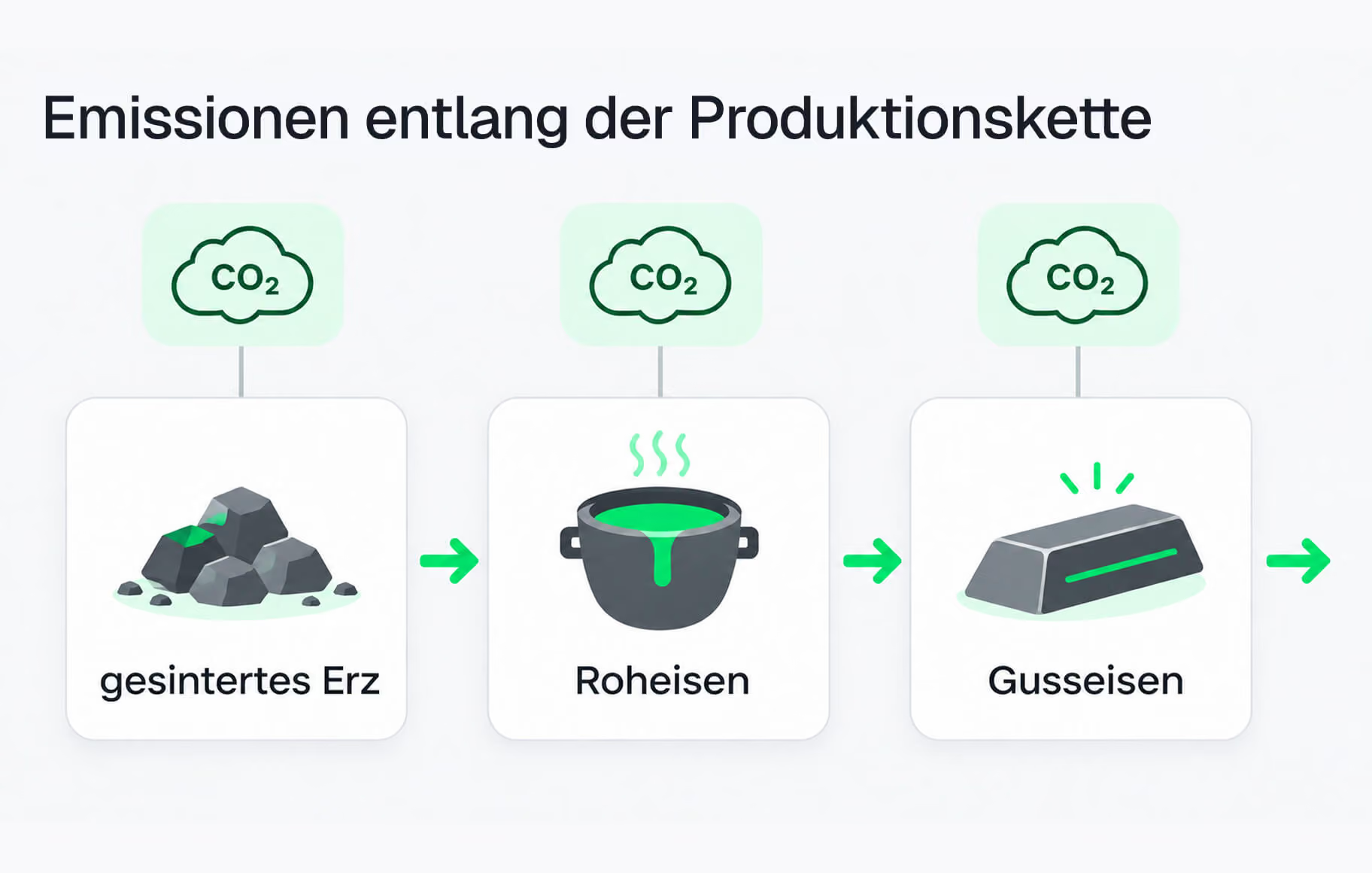
The European Union has tightened its climate targets to reduce greenhouse gas emissions by at least 55 percent by 2030. To achieve this, the CBAM was introduced as a means to enforce stricter environmental standards and promote climate-friendly production methods. The CBAM is a global first, applying a CO2 levy to imported steel, cement, aluminum, fertilizers, hydrogen, and electricity from third countries.
Objectives and Impact
The CBAM aims to motivate industrial companies in the EU to adopt more sustainable production methods without being disadvantaged in global price competition by higher CO2 levies. This measure is intended, in particular, to prevent "carbon leakage," which is the relocation of production facilities to countries with lower environmental standards.
International Reactions
The main countries affected by the CBAM include Russia, China, Turkey, and India. The introduction of the CBAM could lead to international trade tensions if countries perceive this measure as protectionism. On the other hand, there are signs that the CBAM could lead to closer cooperation between the EU and other major economic powers, such as the US, to form a joint "Carbon Club."
Pressure on Other Countries
The CBAM has already led to positive changes in some countries. For example, in response to the CBAM, Turkey ratified the Paris Agreement. Australia, fearing long-term disadvantages for its export economy due to the tariffs, has set a net-zero climate target for 2050.
Challenges for Poorer Countries
Although the CBAM can be an effective tool for exerting pressure on wealthy nations, there are concerns that poorer countries heavily dependent on trade with the EU could be disadvantaged. Higher levies on exports to the EU could have negative impacts on jobs and economic development in these countries.
Calculation and Use of Revenue
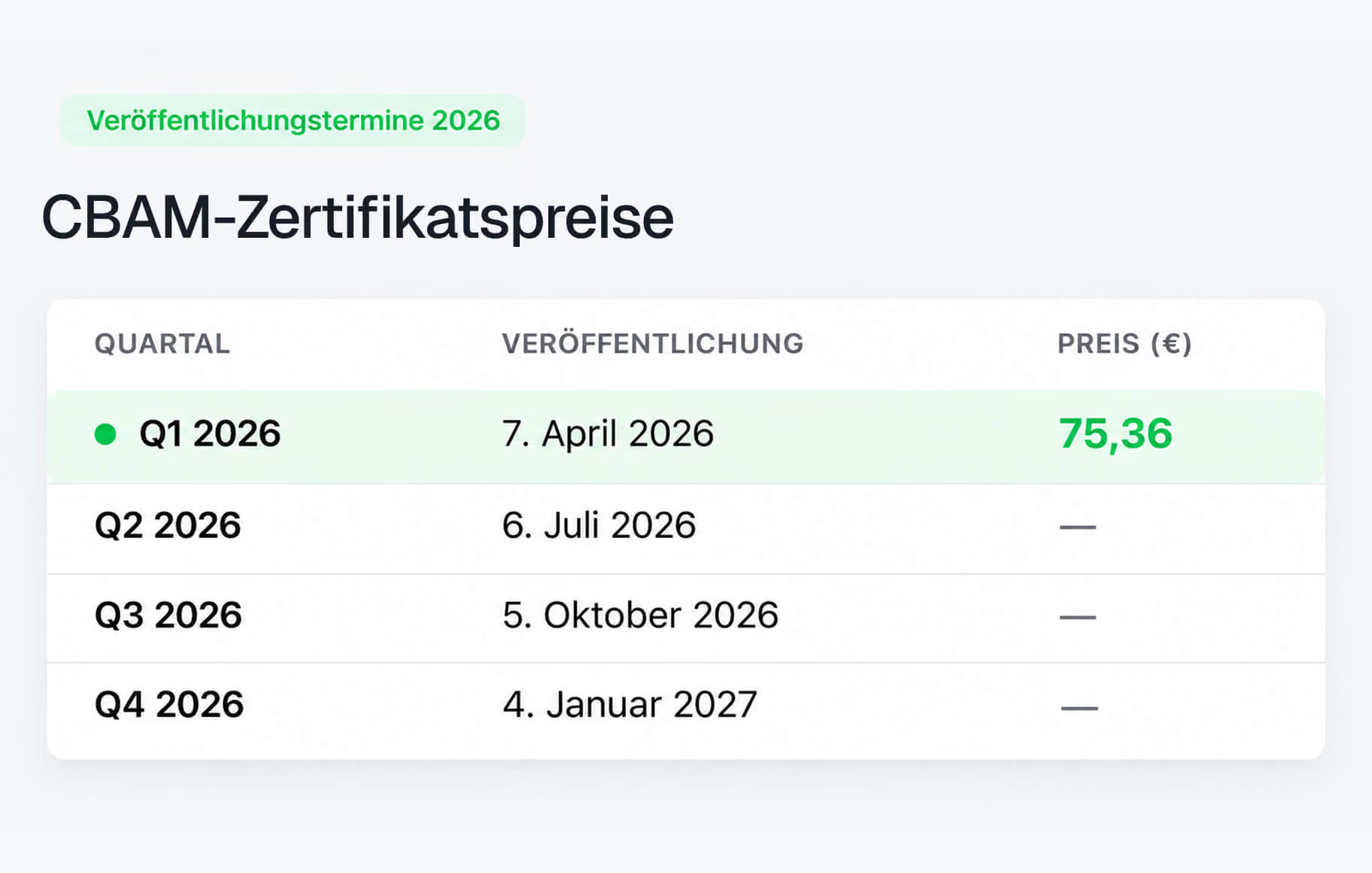
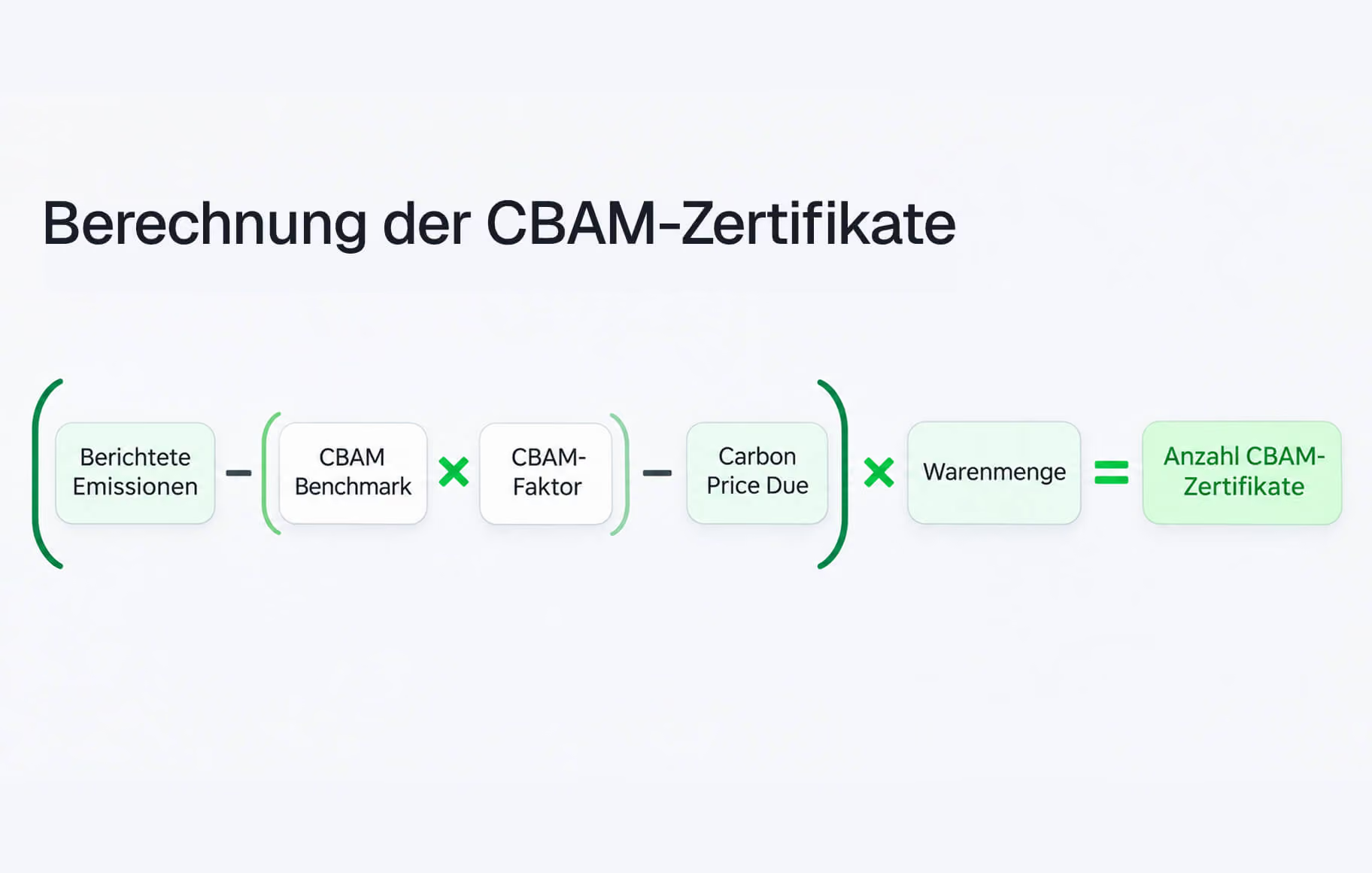
The exact calculation and use of revenue from the CBAM remain unclear. There are no standardized procedures for calculating a product's carbon footprint, and there are currently no plans to earmark the revenue specifically for sustainable development. NGOs are calling for these funds to be used for climate protection measures both within the EU and in low-income countries of the Global South.
Conclusion
The EU's CBAM is a bold step toward promoting global climate action and could become a model for other regions. While it has the potential to contribute to a more sustainable global economy, the impact on poorer countries and the fair distribution of burdens must be carefully considered.
About author
Maximilian Jung
Geschäftsführer
Maximilian Jung ist Geschäftsführer und Mitgründer der CBAM-Estimator GmbH. Nach seinem Studium der Volkswirtschaftslehre an der Goethe-Universität Frankfurt gründete Maximilian Jung die CBAM-Estimator GmbH, um Unternehmen dabei zu unterstützen, ihre CBAM-Verpflichtungen durch individuelle Softwarelösungen schnell und einfach zu erfüllen.