Lorem ispum dolor sit amet
Aliquip velit do aliquip cillum proident laboris et cupidatat in ad laborum magna veniam.


Introduction
The European Union's Carbon Border Adjustment Mechanism (CBAM), which entered into force on May 17, 2023, aims to regulate CO₂ emissions from imported products and mitigate the risk of carbon leakage. This mechanism is part of the European Green Deal and the "Fit for 55" initiative.
Affected products
CBAM initially applies to imported goods from non-EU countries that are particularly carbon-intensive, such as cement, electricity, fertilizers, aluminum, iron, steel, and hydrogen. Countries participating in or linked to the EU Emissions Trading System (ETS) are exempt. The European Commission plans to extend the scope to all sectors covered by the EU ETS by 2030.
Implementation and reporting obligations
During the transitional phase from October 2023 to December 2025, affected companies are required to report but are not subject to financial obligations. Importers must determine and document the direct and indirect emissions generated during the production of imported goods. A quarterly CBAM report is required, containing information on the quantity of imported CBAM goods, the direct and indirect embedded emissions, and any carbon taxes paid in the country of origin.
Mandatory registration
From January 1, 2026, only authorized declarants will be permitted to import CBAM goods. Customs authorities in EU member states will monitor the movement of goods and deny imports of CBAM goods to non-registered declarants. Importers subject to this registration requirement may apply for authorization starting January 1, 2025.
Certificate trading
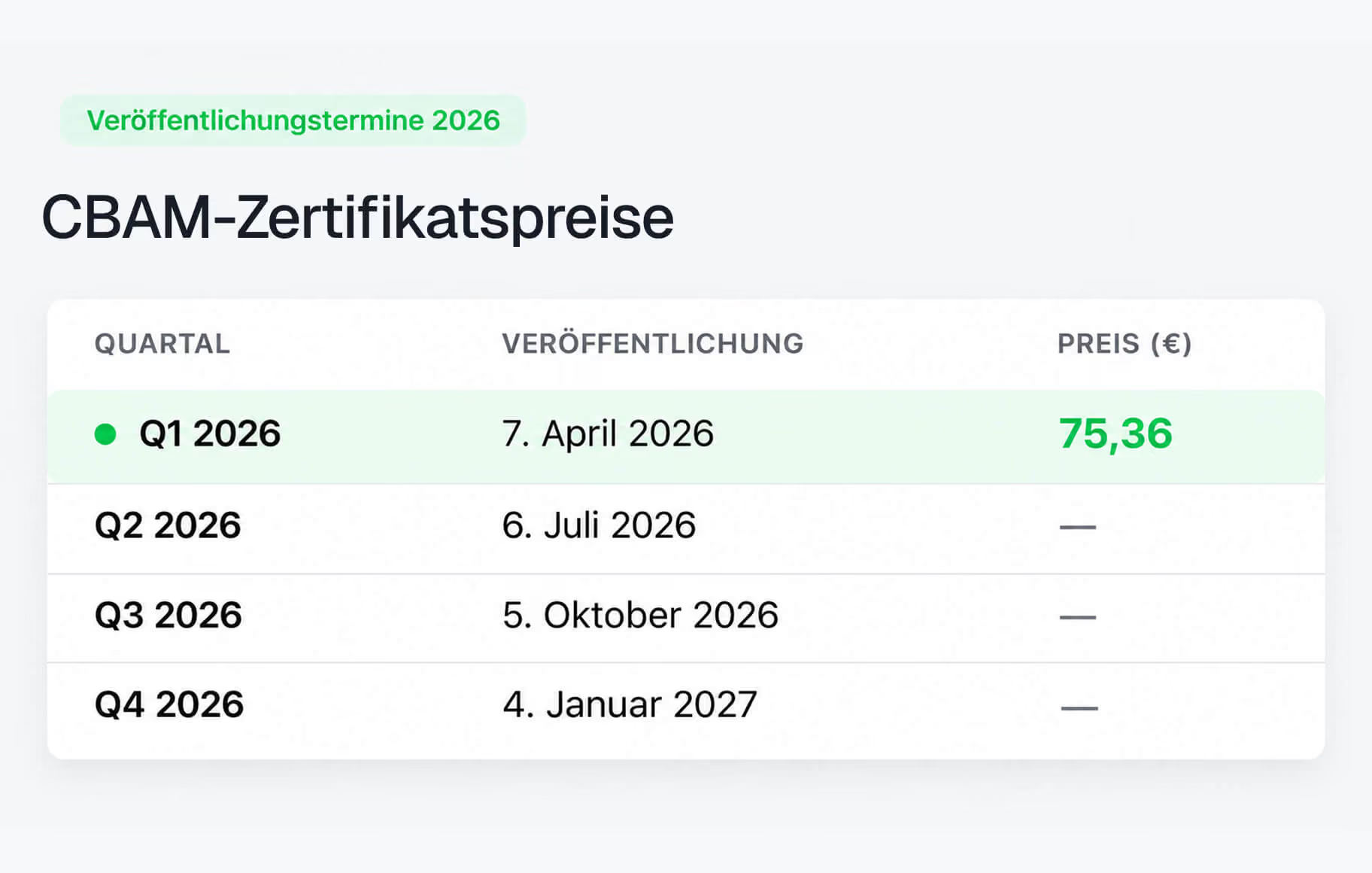
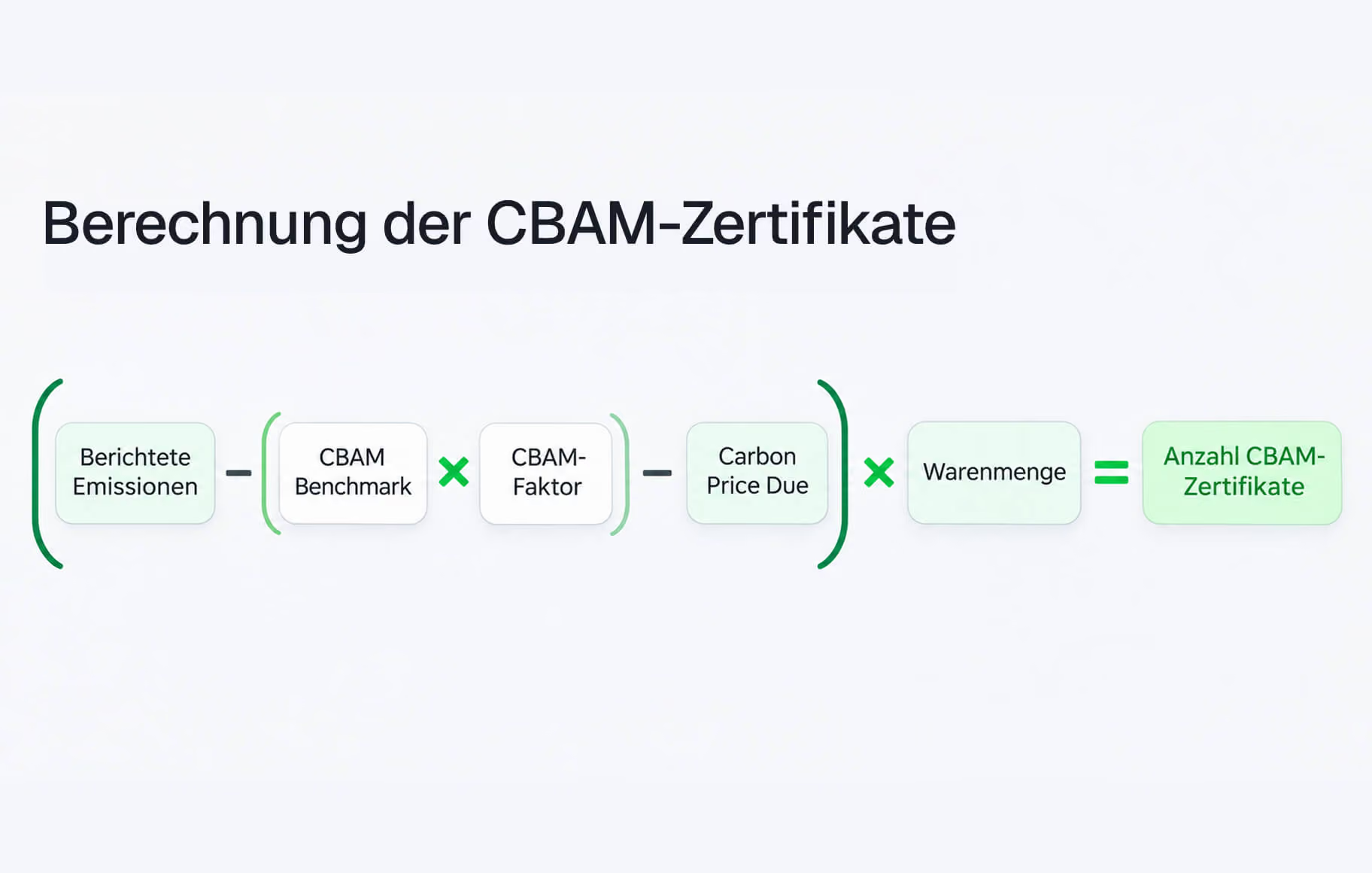
With the start of certificate trading on January 1, 2026, importers are required to purchase sufficient emission certificates for the embedded emissions of their imports throughout the year. As part of an annual CBAM declaration, the quantity of imported embedded emissions will be compared against the certificates purchased. Financial penalties may be imposed if an insufficient number of certificates are acquired.
Requirements at a glance
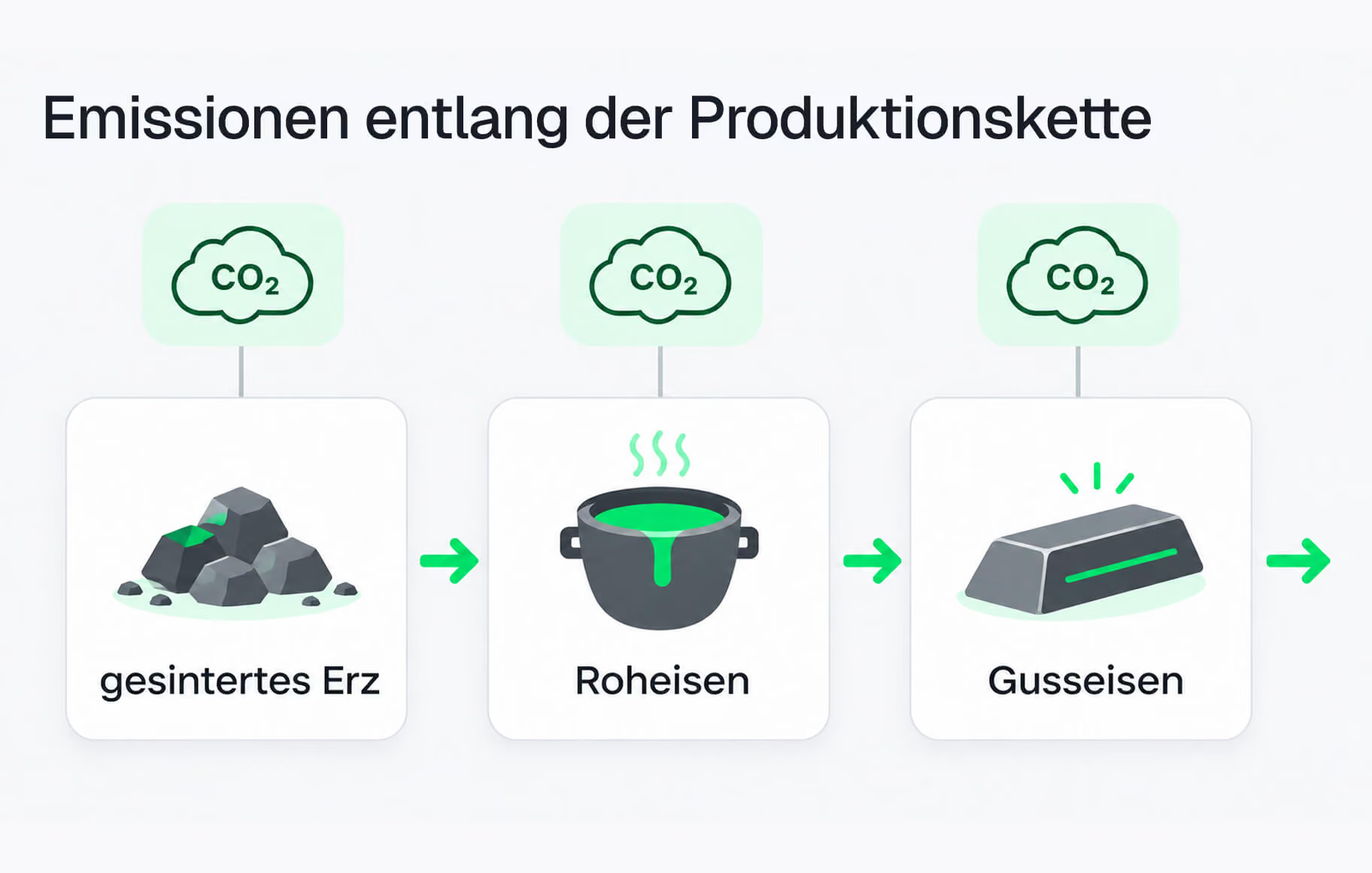
Requirements include determining the direct and indirect CO₂ equivalent emissions of imported CBAM goods, having these values verified and audited by a certified body, purchasing CBAM certificates for imported CO₂ emissions, and preparing and submitting an annual CBAM declaration.
Conclusion
Managing CBAM presents a complex challenge for industrial companies. Thorough preparation and adaptation to the new regulations are essential to ensure compliance and avoid penalties.
About author
Maximilian Jung
Geschäftsführer
Maximilian Jung ist Geschäftsführer und Mitgründer der CBAM-Estimator GmbH. Nach seinem Studium der Volkswirtschaftslehre an der Goethe-Universität Frankfurt gründete Maximilian Jung die CBAM-Estimator GmbH, um Unternehmen dabei zu unterstützen, ihre CBAM-Verpflichtungen durch individuelle Softwarelösungen schnell und einfach zu erfüllen.