Lorem ispum dolor sit amet
Aliquip velit do aliquip cillum proident laboris et cupidatat in ad laborum magna veniam.



Step 1: Identify CBAM-relevant products
Compare the eight-digit CN codes of your imported iron & steel products with the CBAM-relevant CN codes listed in Annex I of CBAM Regulation 2023/956. This step is crucial to determine whether your products fall under CBAM regulations. Or click here to check directly whether your goods are subject to CBAM.
Step 2: Obtain reportable emissions data from suppliers
Obtain the required information from your manufacturers or suppliers regarding the production of your CBAM-relevant imported products. For each imported iron and steel product, you will need the following reportable information:
- The country of origin of the goods
- The quantity of imported goods (in tonnes)
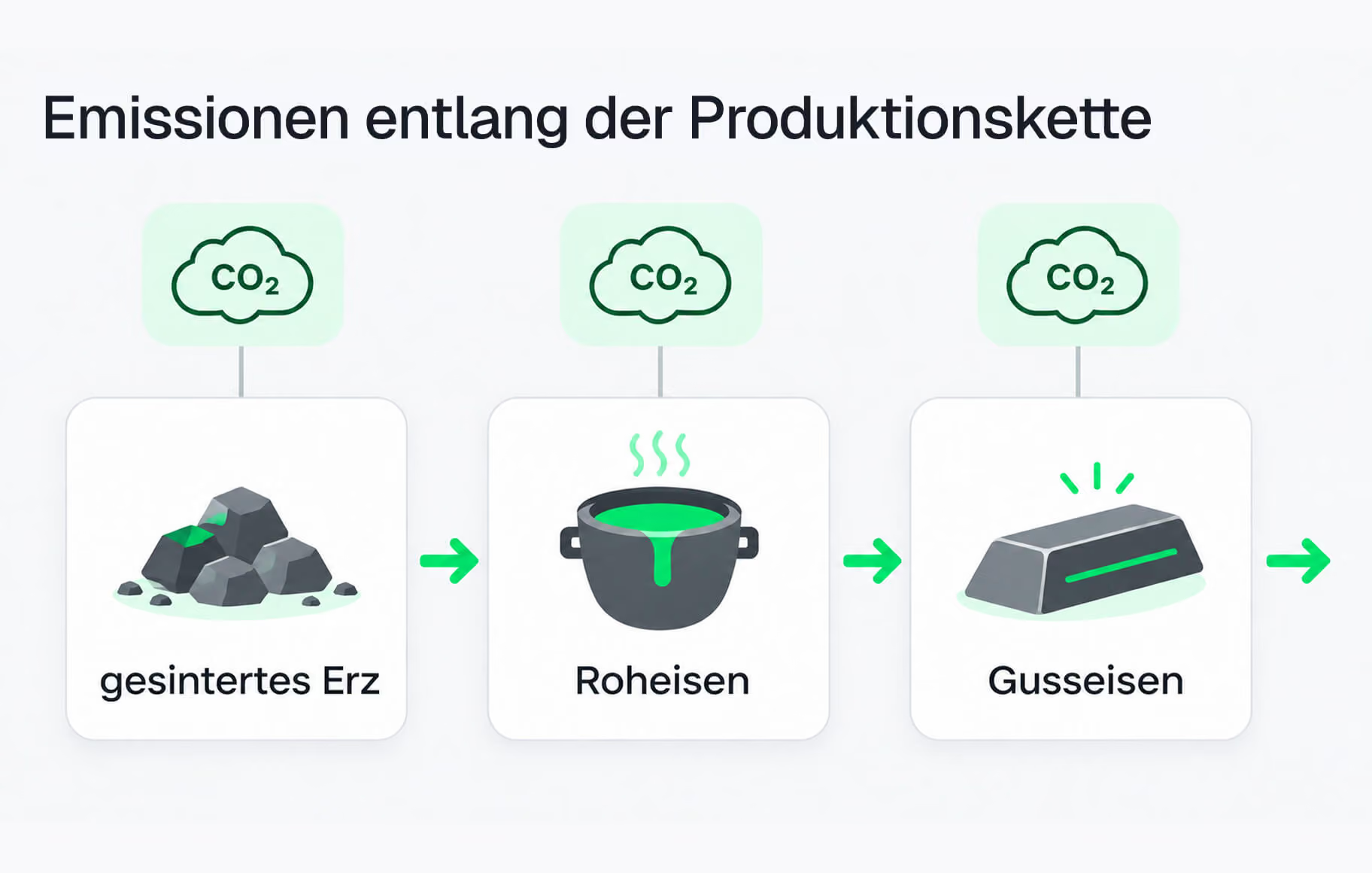
- Information on the CBAM-compliant direct and indirect emissions associated with the production of the goods
Step 3: Determine total emissions
According to the CBAM regulation, the following methods should be used to calculate emissions:
Method 1
EU standard method in accordance with Article 3 (2) and Annex III
- Direct emissions: Calculation-based approach using activity data or a measurement-based approach (continuous emissions monitoring)
- Indirect emissions: Calculation using standard values (from the International Energy Agency, IEA)
Method 2
Until December 31, 2024: Use of existing Monitoring, Reporting, and Verification (MRV) systems in accordance with Article 4(2)
Emissions determination from other monitoring and reporting systems already used by operators in third countries, provided they lead to a similar result.
Method 3
Until July 31, 2024: Use of alternative methods (including default values from the EU Commission) in accordance with Article 4 (3)
If you do not have reliable data on the direct and indirect emissions of your imported iron and steel products, you may use default values to calculate emissions up to and including the third reporting quarter. You can use default values from the European Commission for direct emissions and from the International Energy Agency (IEA) for indirect emissions. These default values are independent of the country of origin and must be replaced by installation-specific data starting from the fourth reporting quarter.
From August 1, 2024: If the first two methods cannot be applied, estimates—including default values—may only be used to calculate embedded emissions for complex goods and only for up to 20% of the total embedded emissions.
Step 4: Registration in the CBAM registry
Log in to the transitional registry to upload your CBAM reports. The official CBAM registry will be available from January 1, 2025, where you must register as an authorized CBAM declarant. Timely registration ensures that you can continue your import activities under the new regulations.
Additional measures for the iron and steel industry
Step 5: Preparing for costs after the transition phase
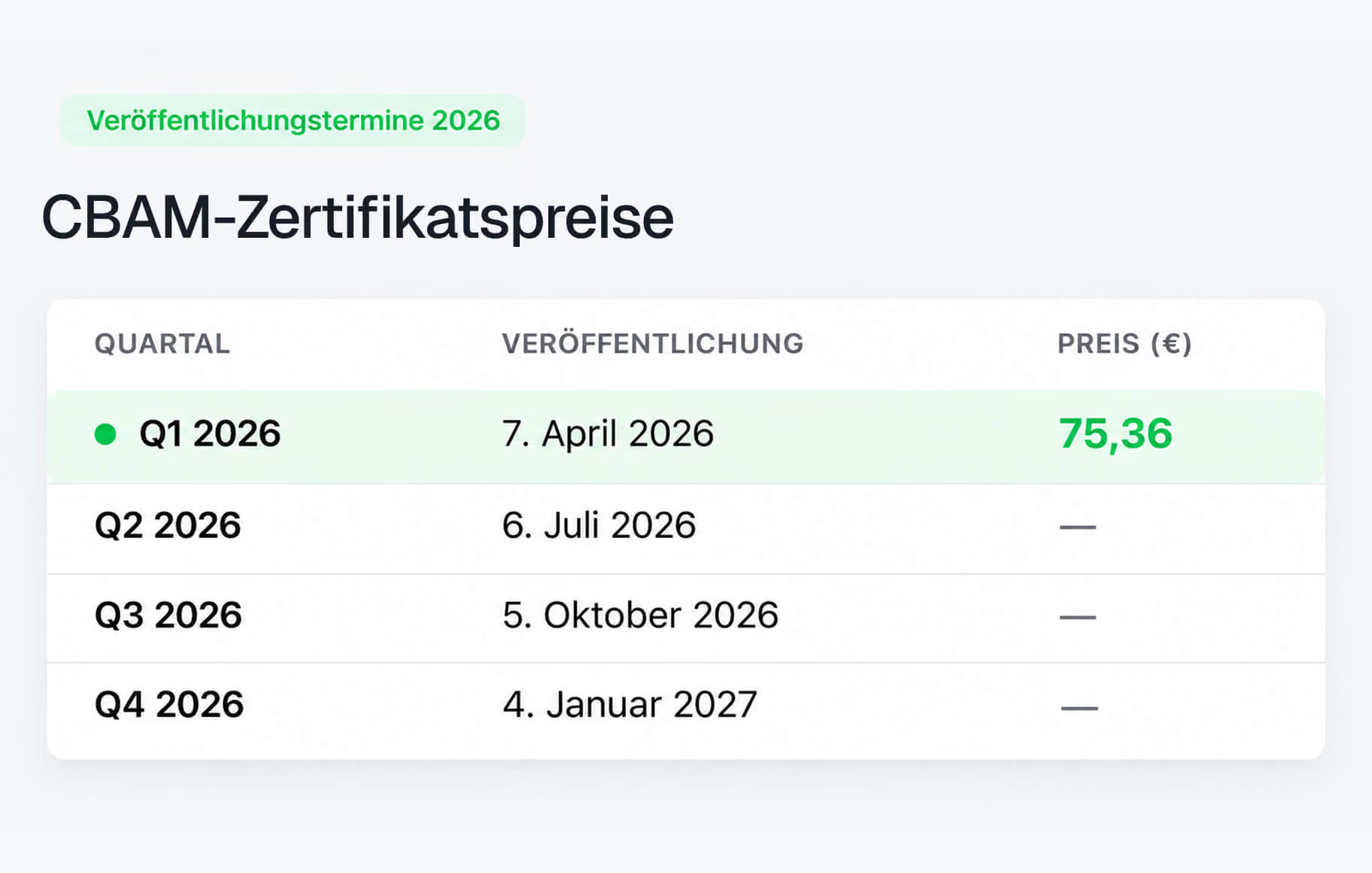
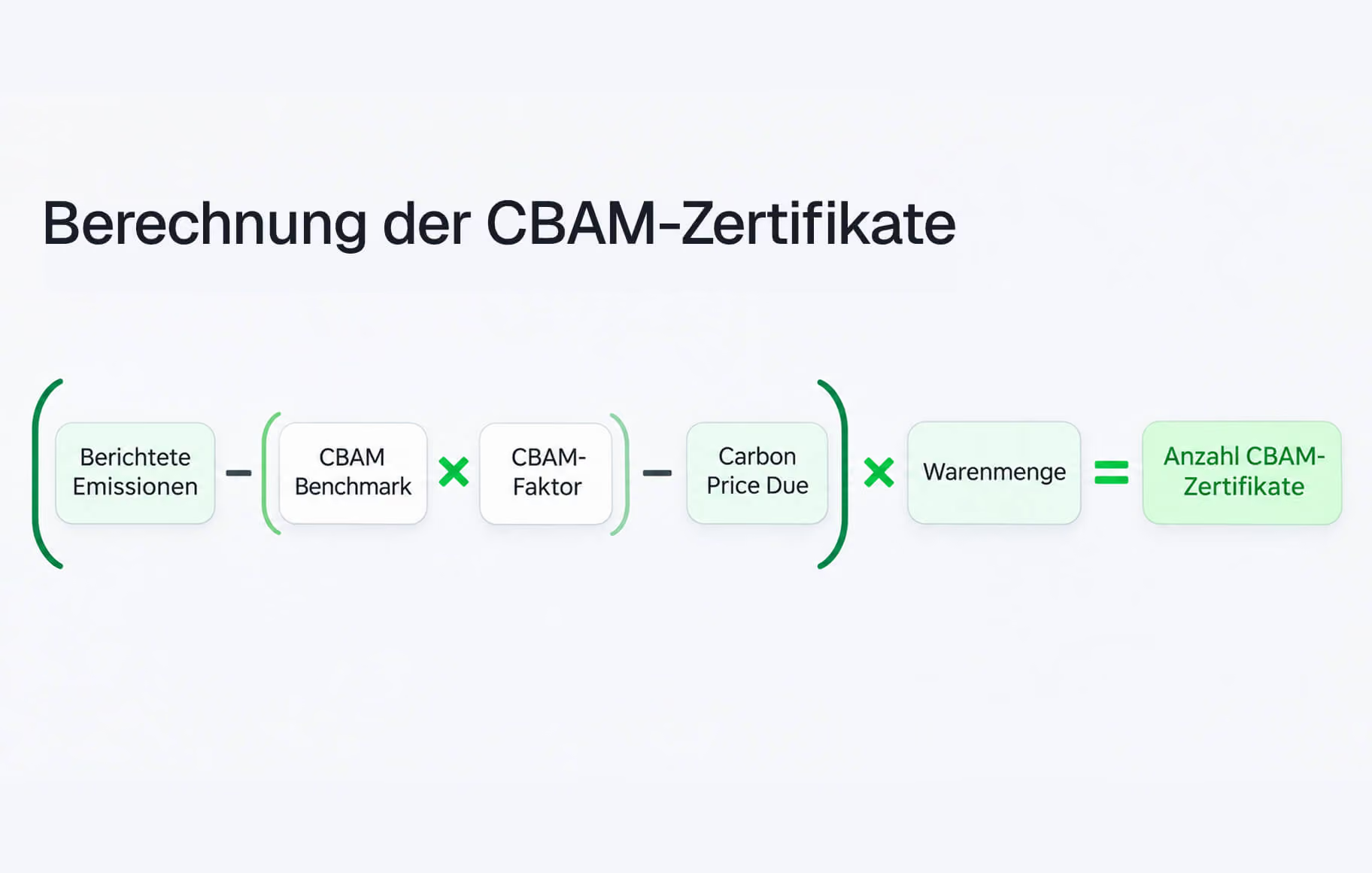
CBAM will become subject to charges starting January 1, 2026. Importers will then be required to purchase CBAM certificates corresponding to the emissions of the imported products. Plan ahead to acquire the necessary certificates in time and manage compliance costs effectively.
Step 6: Reporting direct emissions after the transition phase
For iron and steel products, you will only need to report direct emissions in your CBAM reports after the transitional phase ends. This simplifies reporting but requires accurate data on the emissions generated directly during the production of the imported goods.
Example calculation:
You have imported 12,000 t of hollow drill bars with CN code 7228 80 00 from India. The default values for your goods are as follows:
The emission factor for the direct emissions of your goods is 1.86 tCO2 / t.
The emission factor for the indirect emissions of your goods is 0.57 tCO2 / t.
The total emissions are therefore
(12,000 * 1.86) + (12,000 * 0.57) tCO2 = 29,160 tCO2.
About author
Maximilian Jung
Geschäftsführer
Maximilian Jung ist Geschäftsführer und Mitgründer der CBAM-Estimator GmbH. Nach seinem Studium der Volkswirtschaftslehre an der Goethe-Universität Frankfurt gründete Maximilian Jung die CBAM-Estimator GmbH, um Unternehmen dabei zu unterstützen, ihre CBAM-Verpflichtungen durch individuelle Softwarelösungen schnell und einfach zu erfüllen.