Lorem ispum dolor sit amet
Aliquip velit do aliquip cillum proident laboris et cupidatat in ad laborum magna veniam.


Introduction
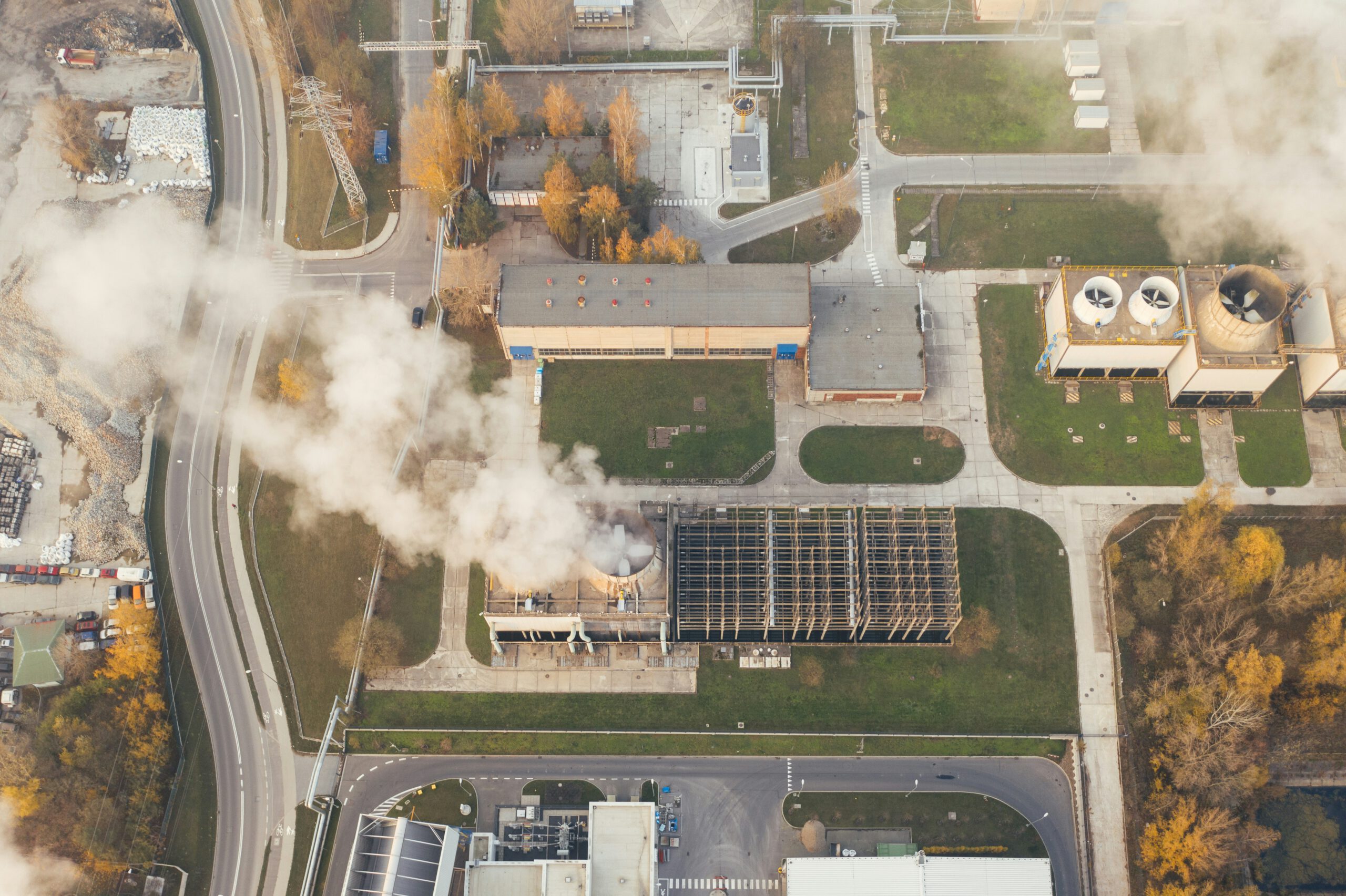
The European Union's Carbon Border Adjustment Mechanism (CBAM) represents a significant development in climate policy. By linking a carbon-based import levy to the tightened EU Emissions Trading System, CBAM reduces the risk of carbon leakage to countries outside the EU. However, implementing CBAM entails high costs for many EU importers.
Carbon leakage and CBAM effects
Simulations by the German Institute for Economic Research show that CBAM can mitigate competitive disadvantages and the relocation of carbon emissions to non-EU countries. The current CBAM coverage for iron, steel, aluminum, cement, fertilizers, electricity, and hydrogen reduces carbon leakage to approximately 18%. Expanding this to other products, such as polymers and organic chemicals, could further reduce this leakage to just 5%.
Operational impacts
The operational consequences of CBAM are diverse, especially for importers of goods such as iron, steel, aluminum, and cement. Affected companies have various options, including passing carbon costs on to end consumers or absorbing these costs, which could lead to reduced profit margins. Transitioning supply chains to greener alternatives also incurs additional costs. However, the additional carbon costs from CBAM are initially limited, as the CBAM levy is being phased in gradually.
Administrative burden
Companies face a significant administrative burden, ranging from tracking import volumes and emissions to preparing annual CBAM reports. As of October 1, 2023, companies are required to submit quarterly reports. The challenge is that the necessary data on emissions and carbon prices are often not provided by suppliers and must therefore be collected from scratch. These efforts could be disproportionately high, especially for smaller companies.
Conclusion
CBAM presents EU importers with new challenges, particularly regarding administrative implementation and managing additional costs. Companies are therefore required to develop effective solutions to meet CBAM requirements and minimize the impact on their business operations.
About author
Maximilian Jung
Geschäftsführer
Maximilian Jung ist Geschäftsführer und Mitgründer der CBAM-Estimator GmbH. Nach seinem Studium der Volkswirtschaftslehre an der Goethe-Universität Frankfurt gründete Maximilian Jung die CBAM-Estimator GmbH, um Unternehmen dabei zu unterstützen, ihre CBAM-Verpflichtungen durch individuelle Softwarelösungen schnell und einfach zu erfüllen.